We write and create original stories for the screen and stage — dark fantasy epics, grounded dramas, and intimate horror.
From pilot scripts and series bibles to full stage plays, EbonQuill Productions develops worlds meant to be seen, heard, and felt.
Every project begins on the page and is built to become a film, web series, or live performance that stays with the audience long after the credits roll.
From dark fantasy to sharp-edged thrillers, every story begins on the page and finds its way to the screen. These are the worlds we are bringing to life.
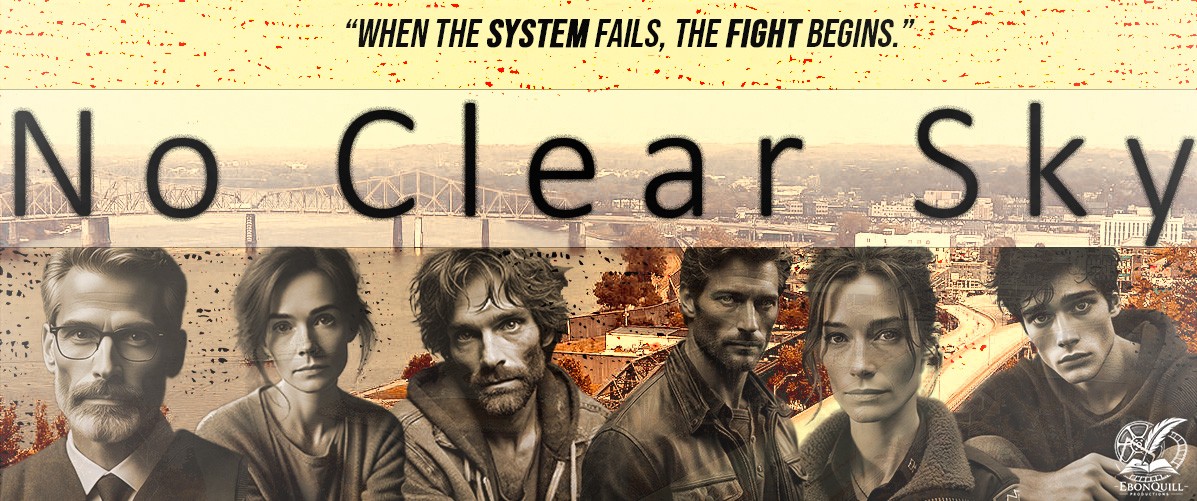
In the shadow of a crumbling refinery, the people of Parkersburg fight to survive addiction, poverty, and the wreckage of one catastrophic explosion. No Clear Sky follows their intersecting lives as secrets surface and the cost of survival rises.
No Clear Sky
Set in the industrial town of Parkersburg, West Virginia, No Clear Sky is a character-driven drama that follows a group of interconnected lives in the aftermath of a catastrophic refinery explosion. The blast kills workers, shatters homes, and exposes the deeper fractures already running through the community: addiction, poverty, broken families, and a system that fails the people it is supposed to protect.
At the center are people trying to survive:
The series treats its characters with honesty rather than judgment. Addiction is not a plot device; it is a daily reality shaped by economic collapse, limited options, and trauma. The refinery explosion is both a physical disaster and a metaphor for the slow-motion collapse already happening in the lives of the people who live in its shadow.
Why it matters
No Clear Sky is important because it refuses to look away from the places and people most American stories ignore. It is set in a real region still living with the consequences of industrial decline, the opioid crisis, and under-resourced communities. It shows how one disaster does not create new problems so much as it accelerates the ones that were already there—and how ordinary people keep going anyway, often without clear skies ahead.
The series is ultimately about the cost of survival and the fragile threads that still connect people when everything else has broken. It asks what happens when the systems meant to help are absent or indifferent, and whether anyone can still find a way forward.
No Clear Sky — Stage Version
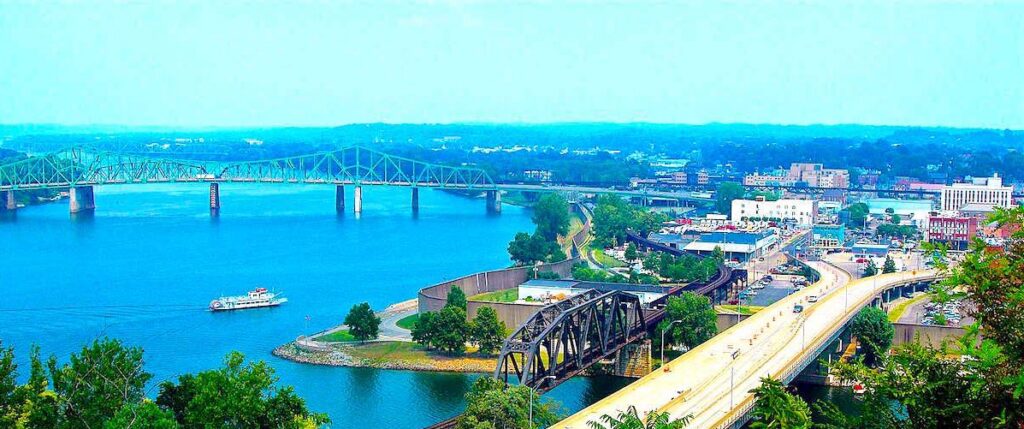
No Clear Sky began as a live theatrical experience before it became a web series. The stage version is a raw, intimate ensemble piece set in the same industrial town of Parkersburg, West Virginia, in the weeks after a catastrophic refinery explosion.
On stage, the story is stripped down to its emotional core. Actors move through a single shared space that transforms between a cramped apartment, a hospital room, a police station, a trailer, and the edges of the disaster site. The audience sits close enough to feel the pressure. There are no wide establishing shots—only faces, voices, and the weight of decisions made in real time.
The same characters drive the story: the single mother protecting her daughter, the addict and his cop brother, the young man trapped in a drug operation, the first responder coming apart, and the judge trying to hold both his courtroom and his family together. Because it is performed live, the audience experiences the intersections and collisions of these lives without cuts or flashbacks. When one character’s choice lands, everyone in the room feels it.
Why the stage version matters
Theater forces proximity. No Clear Sky on stage does not let the audience look away or pause. It places the cost of addiction, poverty, trauma, and systemic failure in the same room as the people watching. The refinery explosion becomes both the inciting disaster and a constant presence—smoke, sound, and the knowledge that the people on stage are still living inside its aftermath. The play asks what responsibility we have to the stories and communities that usually remain offstage.
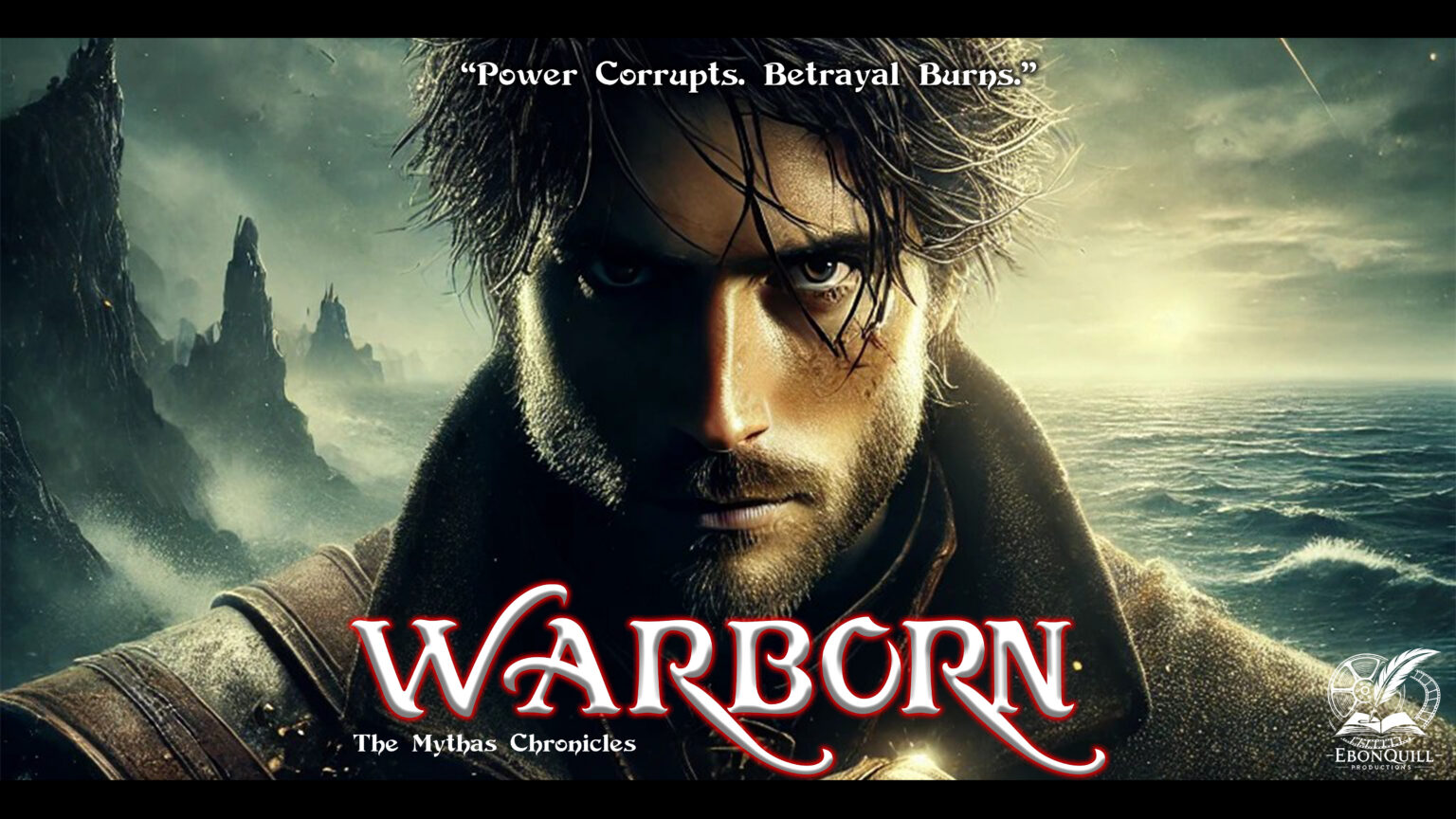
When a hardened mercenary and two unlikely allies awaken a legendary sword that once belonged to the God of War, they become the hunted prize of rival empires—and the blade’s growing influence may destroy them long before their enemies do.
Warborn
In the shattered world of Mythas, three unlikely companions uncover a weapon that should have stayed buried. Kaelen Drakemoore, a hardened mercenary, Seraphina Morrayne, a sharp-tongued survivor, and Thalric Veridan, a weary magick user, are pulled into the orbit of Warborn—a legendary sword once wielded by Bellatorix, the long-dead God of War. The blade does not simply kill. It remembers. It whispers. And it changes the person who carries it.
As word of the sword spreads, two rival powers move to claim it: the Imperium, ruled by Empress Solange and her ruthless HexHunters, and the Dominion of Tyrathia, whose agents will eliminate anyone who stands between them and dominance. What begins as a chance meeting on the road becomes a race across ancient ruins, war-torn wastes, and the political shadows of empires. Every step closer to understanding Warborn’s true nature costs the trio something—trust, control, and pieces of themselves.
Why it matters
Warborn is a dark fantasy that treats power as a character, not a prize. The sword is not a tool the hero masters; it is a force that exacts a price, and the story refuses to look away from that cost. At its center is a simple question with brutal consequences: what happens to people when the thing that can save them also begins to erase them? Set against the backdrop of crumbling empires and forgotten gods, the series explores how ambition, survival, and loyalty fracture under the weight of something larger than any one person—or nation—should possess.
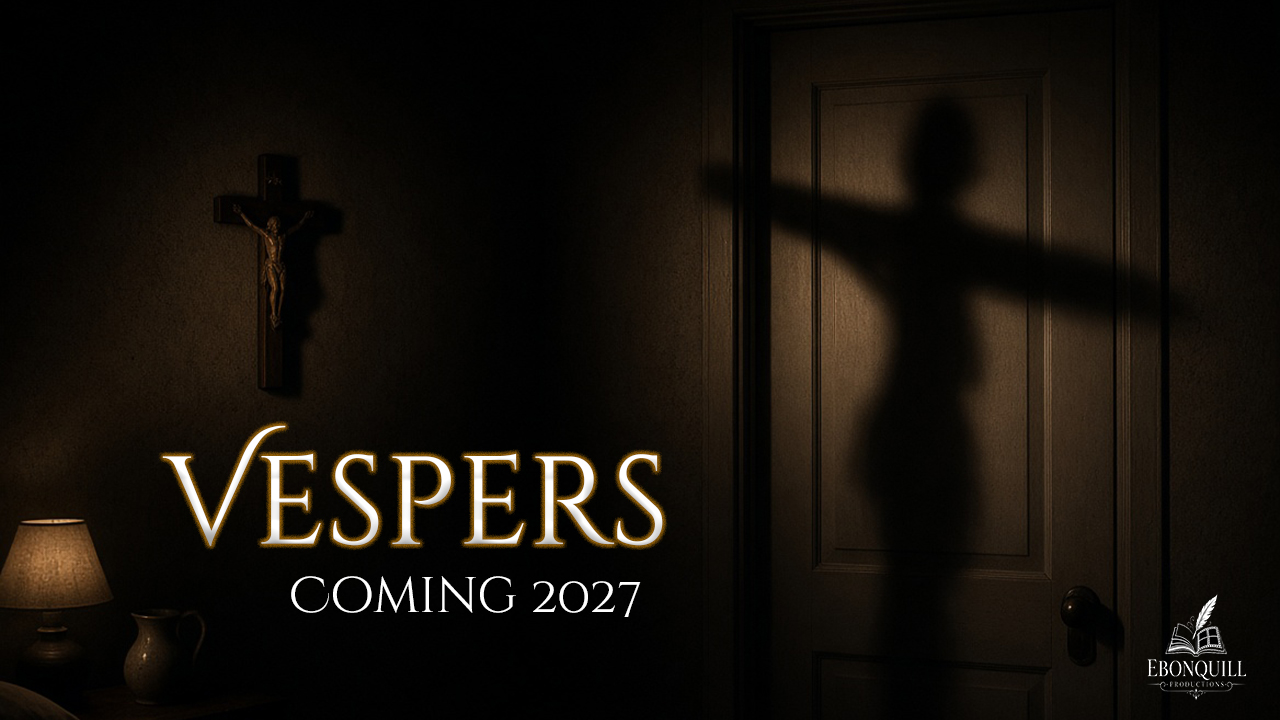
A priest keeps vigil with a dying man who has requested last rites. As the night deepens, the prayers begin to answer themselves, and the act of offering comfort becomes the means of invasion.
Vespers
A rural priest is asked to keep an overnight vigil with a dying parishioner whose family has already left. The man is lucid, devout, and afraid of something he will not name. For most of the film the camera never leaves the bedroom. What arrives is not a visible monster but a precise inversion of the priest’s role: the act of pastoral care itself becomes the channel. Father Tomas’s faith is never mocked. It is the only scale on which the threat is legible. By the end the battle is lost. He does not stop praying.
Why it matters
Vespers treats faith as real and necessary rather than a prop or a punchline. It asks what happens when the tools of care and ritual—the prayers, the presence, the blessing—are the very things that open the door. The horror is not spectacle. It is the slow, domestic realization that the room has gone wrong and the person who came to help is now part of the problem. In an age of loud, effects-driven horror, the film insists that the most unsettling things can happen in near-silence, with two people, one lamp, and the words that are supposed to bring comfort.